Revolutionizing Digital Marketing: The Way AI Automation Reshapes the SEO Ecosystem
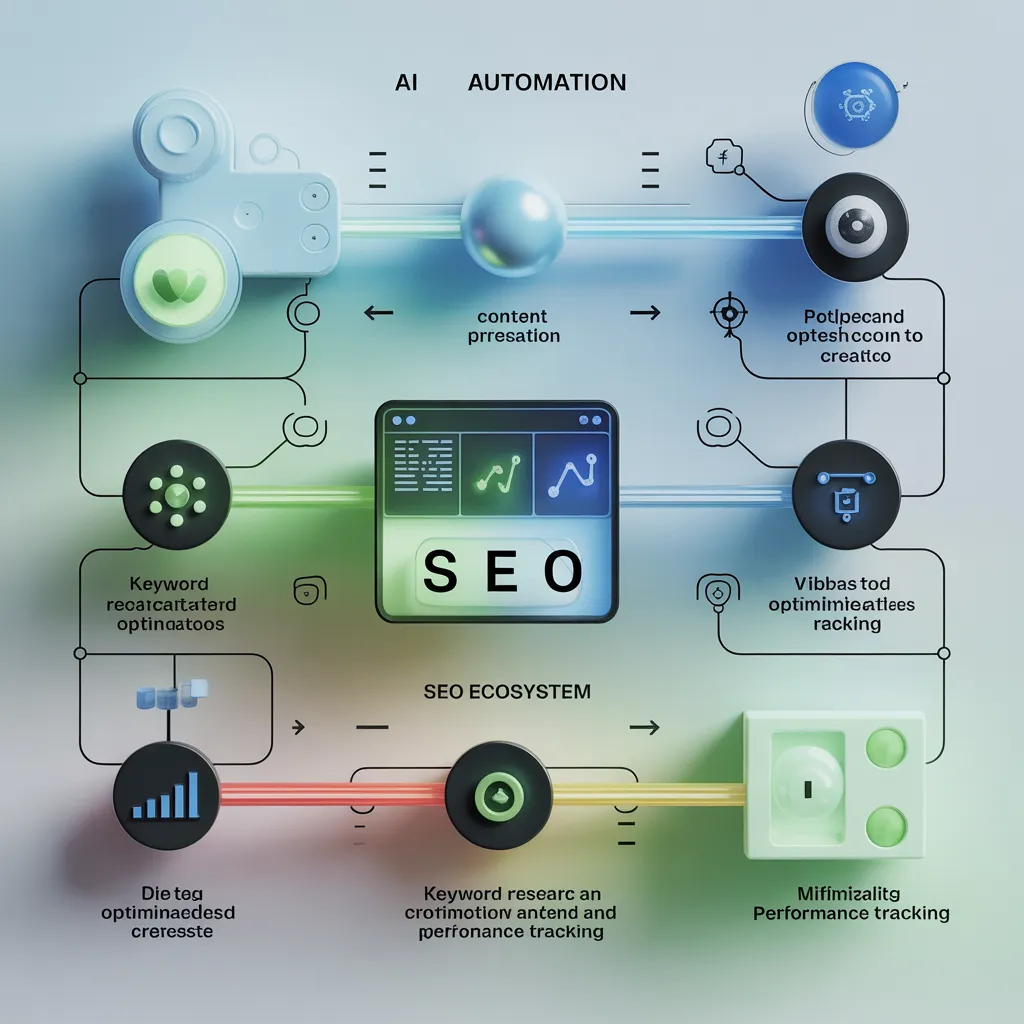
The integration of AI automation in the SEO ecosystem marks a significant shift in digital marketing strategies. By utilizing advanced technologies, businesses can enhance efficiency and effectiveness in areas such as keyword research and content optimization. This shift not only streamlines processes but also delivers greater insights into user behavior. As the landscape continues to evolve, understanding the implications of AI on these facets becomes essential for marketers seeking to maintain a competitive edge.
Comprehending AI in SEO: The Essentials
With the evolution of the digital landscape, comprehending AI in SEO turns more crucial for marketers and businesses alike. AI technologies are revolutionizing how search engines analyze information and rank content, enabling more nuanced and effective optimization strategies. By utilizing machine learning algorithms, businesses can analyze vast amounts of data to recognize patterns and trends that direct their SEO efforts. This permits them to develop content that appeals to target audiences while adhering to search engine guidelines. Furthermore, AI enables real-time adjustments to SEO tactics, making sure that strategies remain applicable in an dynamic digital environment. Through predictive analytics, businesses can foresee shifts in consumer behavior and adapt their approaches suitably. Understanding the fundamentals of AI in SEO enables marketers to harness these advancements, eventually improving their visibility and competitiveness in search engine results. Thus, a solid understanding of AI's role in SEO is essential for sustained digital marketing success.
Enhancing Keyword Analysis and Research Using AI
Artificial intelligence technologies are transforming keyword research and analysis, making the process increasingly efficient and insights-driven. By utilizing machine learning algorithms, businesses can process vast datasets to uncover emerging keywords and trends that would typically be missed. These technologies enable the identification of high-potential keywords with superior precision, allowing marketers to focus their efforts on terms that are expected to increase traffic.
In addition, AI solutions can analyze competitor keyword methods, providing insights into which keywords are performing well in the industry. This competitive intelligence assists businesses enhance their own keyword targeting. Natural language processing capabilities enable for enhanced understanding of user intent, enabling more exact keyword recommendations.
How AI Transforms SEO: Content Generation and Optimization Insights
The integration of artificial intelligence into content creation and optimization is transforming how marketing professionals tackle SEO initiatives. AI tools analyze vast amounts of data to comprehend trending topics, user intent, and semantic relevance, allowing marketing professionals to generate top-tier content that connects with target audiences. By proposing relevant keywords and phrases, AI enhances the optimization process, guaranteeing that content conforms to search engine algorithms.
In addition, machine learning algorithms can forecast content performance drawing from historical data, assisting with strategic decision-making. AI-powered solutions also enable real-time content adjustments, enabling marketers to adapt rapidly to changes in audience behavior or search trends. This agility not only improves content visibility but also improves user engagement. Eventually, the use of AI in content creation and optimization optimizes workflows, decreases manual effort, and equips marketers to develop engaging, SEO-friendly content more productively, significantly impacting their overall digital marketing success.
How Does Artificial Intelligence Impact User Experience?
Artificial intelligence significantly transforms user experience by facilitating personalized content delivery customized to individual preferences. Furthermore, it improves the understanding of search intent, enabling more relevant and timely results. This shift doesn't just improve user satisfaction but also promotes greater engagement with digital platforms.
Tailored Content Distribution
As consumer expectations continue to develop, customized content distribution becomes a critical factor in enhancing user experience. AI technologies allow marketers to assess extensive quantities of data, enabling them to tailor content to individual behaviors and preferences. By harnessing machine learning algorithms, businesses can recognize patterns in user interactions, making certain that the right content reaches the right audience at the right time. This precise method not only enhances engagement but also promotes customer loyalty, as users feel appreciated and recognized. In addition, AI-driven recommendations improve navigation, leading users through individualized routes that resonate with their interests. Ultimately, personalized content delivery changes the way users interact with brands, generating more meaningful connections and pushing conversion discover now rates higher.
Enhanced Query Intent Comprehension
Grasping search intent has become progressively refined, substantially influencing user experience in the digital landscape. Artificial intelligence holds a pivotal role in this evolution, empowering algorithms to examine user behavior and intent more precision. By employing machine learning and natural language processing, AI can examine queries to discern nuances in user motivations, whether they seek information, products, or services. This enhanced understanding permits search engines to deliver exceptionally relevant results, thereby boosting user satisfaction. Additionally, AI-driven tools can adapt to changing trends and user preferences, ensuring that content aligns with changing search intent. As a result, businesses can optimize their strategies, providing a more tailored and engaging user experience that cultivates loyalty and increases conversion rates.
Using AI to Develop Successful Link Building Strategies
Whereas traditional link building typically depends on manual outreach and time-consuming research, utilizing AI can greatly boost the performance and effectiveness of these strategies. AI systems can examine massive datasets to discover potential link prospects, assessing the relevance and authority of target domains. By utilizing natural language processing, AI can also produce tailored outreach messages that appeal to specific audiences, enhancing the likelihood of positive responses.
Furthermore, AI can help in predicting which backlinks are most likely to yield significant traffic and engagement, empowering marketers to prioritize their efforts. Automated tools can streamline the outreach process, tracking communication and follow-ups to maintain consistent engagement. Additionally, AI can provide insights into competitors' link-building strategies, exposing gaps and opportunities for improvement. Overall, integrating AI into link building not only preserves time but also results in more strategic, data-driven decisions that elevate overall SEO performance.
Measuring Success With AI Analytics
How can AI analytics revolutionize the way digital marketers assess success in their SEO efforts? AI analytics provides advanced tools that empower digital marketers to track and analyze large volumes of data with unmatched accuracy. By leveraging machine learning algorithms, these tools can evaluate user behavior, keyword performance, and engagement metrics to discover patterns and insights that conventional analytics may overlook.
This metrics-based strategy allows marketers to establish more exact KPIs and objectives, facilitating a better understanding of what strategies are working. Additionally, AI analytics can optimize reporting processes, providing real-time updates that permit for rapid adjustments to campaigns.
Using predictive functionality, marketers can forecast future trends derived from historical data, improving decision-making. Eventually, AI analytics not only enhances the measurement of SEO success but also enables marketers to optimize their strategies continuously, securing sustained growth and improved ROI in an continuously developing digital landscape.
Upcoming Innovations: The Evolution of AI in Online Marketing and Search Optimization
The future of AI in digital marketing and SEO is poised for significant transformation, fueled by enhanced algorithm predictions and the growing importance of voice search optimization. As businesses progressively integrate predictive analytics, they will obtain more profound insights into consumer behavior and trends. This evolution is set to reshape strategies and enhance the effectiveness of marketing efforts.
Improved Algorithmic Forecasts
While developments in artificial intelligence continue to reshape the digital marketing landscape, enhanced algorithm predictions are emerging as a crucial trend in SEO. These sophisticated systems harness machine learning to analyze extensive datasets, facilitating more accurate forecasting of search engine behavior and ranking factors. By identifying patterns and trends, AI-driven tools can offer insights that help marketers optimize their strategies effectively. This evolution empowers businesses to adapt their content and SEO techniques in real-time, aligning closely with user intent and search engine updates. Enhanced algorithm predictions not only refine keyword targeting but also facilitate a proactive approach to SEO, guaranteeing that brands remain competitive in an dynamic digital environment. In the end, this trend marks a new era of data-driven decision-making in digital marketing.
Optimizing for Voice Search
What propels the rising relevance of voice search optimization in the current digital marketing environment? The emergence of smart speakers and voice-activated devices has reshaped consumer behavior, encouraging users to seek information through spoken queries. This shift requires a reevaluation of SEO strategies, as traditional keyword-focused approaches fall short in addressing conversational search patterns. Marketers must emphasize natural language and long-tail keywords to sync with how people verbally communicate their questions. Additionally, optimizing for local searches becomes critical, as many voice queries include location-based requests. As AI technologies develop, incorporating voice search capabilities into digital marketing strategies will be vital for staying competitive. Accepting these changes allows businesses to improve user experience and increase visibility in an increasingly voice-driven market.
Integration of Predictive Analytics
Though many marketers remain in the process of adapting to AI-driven tools, the integration of predictive analytics is positioned to revolutionize digital marketing and SEO strategies. By utilizing historical data and user behavior patterns, predictive analytics allows marketers to forecast future trends and consumer preferences. This proactive approach allows businesses to personalize their content and optimize their SEO efforts more effectively. Additionally, predictive analytics can strengthen keyword targeting and audience segmentation, making sure that marketing campaigns are both relevant and timely. As competition grows more fierce, organizations that embrace these advanced analytics tools will secure a significant edge, driving higher engagement and conversion rates. Finally, the seamless incorporation of predictive analytics into digital marketing strategies represents a critical evolution in the SEO landscape.
Popular Questions
How Can Small Companies Use AI in Their SEO Approaches?
Small-scale companies can utilize AI in their SEO approaches by utilizing tools for keyword analysis, improving content creation, improving user experience through personalized recommendations, and automating performance tracking to increase visibility and engagement in search results.
What Investment Is Required for Implementing AI in SEO?
Implementing AI in SEO typically involves costs such as software subscriptions, one-time setup charges, training and development fees, and ongoing maintenance. These investments can vary greatly relative to the complexity of the AI solutions employed.
What Are the Risks of Over-Relying on AI for SEO?
Indeed, over-dependence on AI for SEO carries certain risks. Heavy reliance may bring about reduced human judgment, potential misalignment with user intent, and sensitivity to algorithm adjustments, ultimately affecting online presence and audience involvement.
What Is AI's Impact on Local SEO Rankings?
AI influences local SEO rankings by evaluating data to enhance content for local searches, boosting keyword targeting, and elevating user experience. It empowers businesses to better understand customer preferences, consequently enhancing visibility in local search results.
Are You Able to Machine Learning Tools Be Integrated Into Existing SEO Software?
AI technologies can be smoothly incorporated into existing SEO applications, enhancing functionalities and data analysis. This combination facilitates better keyword research, content optimization, and performance tracking, ultimately leading to stronger digital marketing strategies.